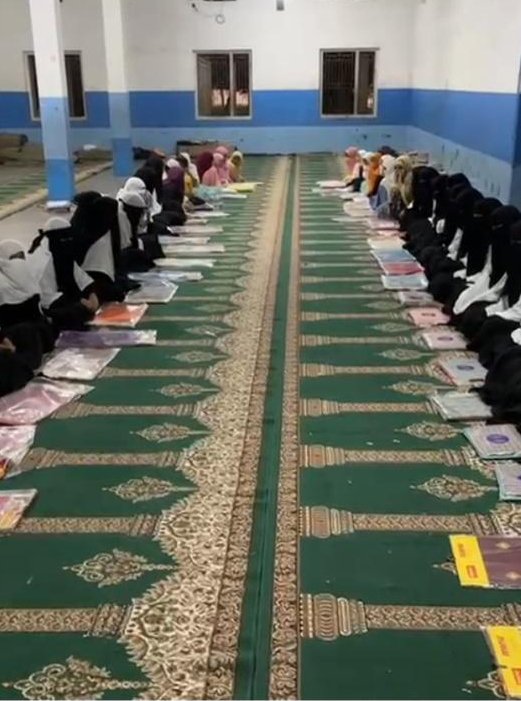
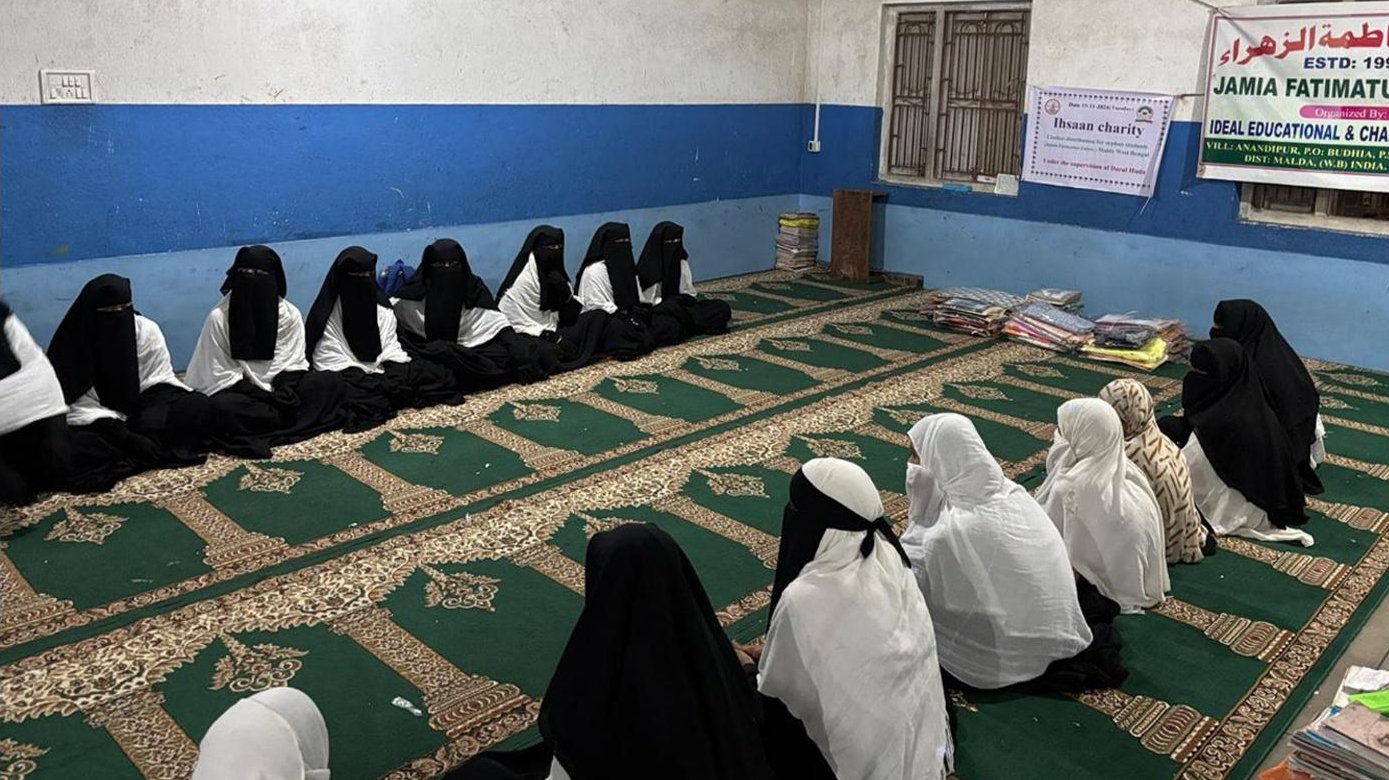
The Clothes Distribution Project for Orphan Students (2024) is a targeted humanitarian mission conducted by the Dar ul Huda Charitable Trust in Malda, West Bengal. This project is a specialized branch of the Trust’s Kapada Bank, focusing specifically on the needs of children who lack parental support. By providing new and high-quality apparel, the Trust aims to ensure these students can pursue their education and daily lives with confidence and dignity.
The Severity of the Situation
The orphan students in the Malda region face unique and dangerous challenges that make this project a necessity:
Extreme Socio-Economic Vulnerability: Without family support systems, these students often rely entirely on charitable institutions for their basic needs. A lack of proper clothing can lead to social isolation and poor hygiene, which in turn affects their mental well-being and academic performance.
Health Risks: The region experiences significant seasonal shifts. Without adequate and clean clothing, children are at a much higher risk for skin infections and weather-related illnesses, especially during the humid monsoon and the damp, cold winters of the West Bengal plains.
Project Details & Items Provided
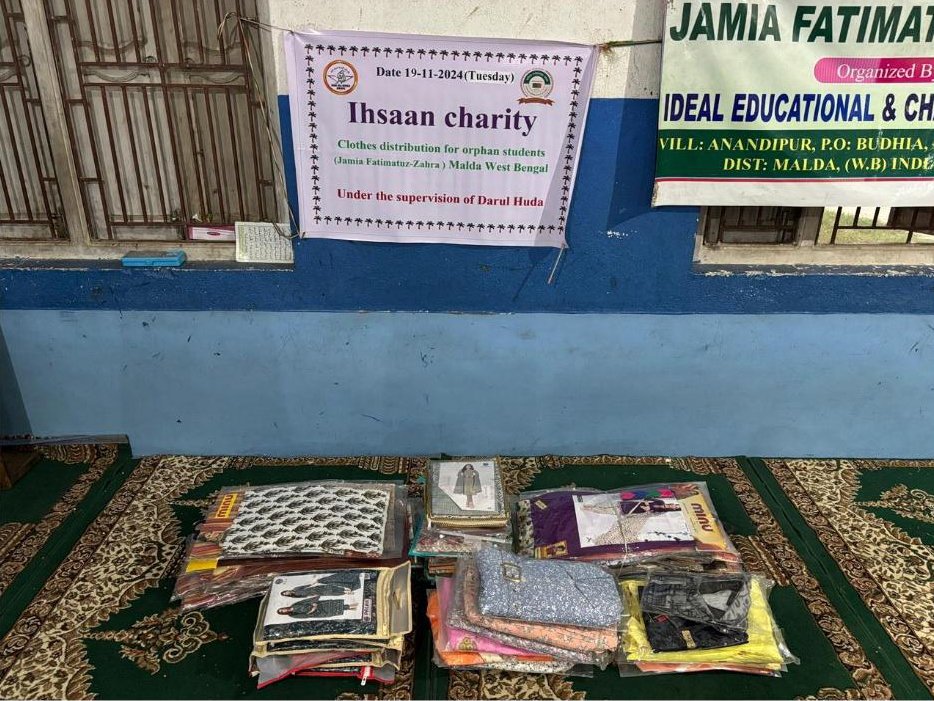
Executed under the direct supervision of Dar ul Huda Udupi and in collaboration with Ihsaan Charity (Ilm Squad), the distribution took place at key educational centers like Jamia Fatima.
The items provided in the relief kits included:
Pairs of New Clothes: Complete sets of daily-wear garments tailored for growing children.
Essential Apparel: Specific items including shirts, trousers, and traditional wear.
Undergarments & Towels: Critical hygiene-related textiles that are often overlooked in general donations.
Footwear: Durable slippers and shoes to protect the students during their daily commute to classes.
Through this initiative, the Dar ul Huda Charitable Trust continues to expand its “Series of Relief and Humanitarian Projects” across India, proving that its mission of social cooperation knows no geographic boundaries.

![Darul_Huda_charitable_trust_Logo_final[1]](https://darulhudawelfare.org/wp-content/uploads/elementor/thumbs/Darul_Huda_charitable_trust_Logo_final1-rcdwdx36ia312iv61ykkrmxc1vaoyr31n9no9azmac.png)
![Darul_Huda_charitable_trust_Logo_final[1]](https://darulhudawelfare.org/wp-content/uploads/elementor/thumbs/Darul_Huda_charitable_trust_Logo_final1-rcdwdx3654g3l4f1qab84t9tqo17d84bvqa4evuga0.png "Darul_Huda_charitable_trust_Logo_final[1]")